
Police Clearance
The National Police Clearance (NPC) is an important document in the Philippines that is commonly required for various purposes, including job applications, obtaining government-issued IDs, and completing certain bank transactions. In the past, applying for a police clearance often involved visiting a police station and waiting in long queues.
Today, the National Police Clearance System (NPCS) has made the process much more convenient. Applicants can register online, schedule an appointment for 2026, and complete most of the application process before visiting the police station, saving both time and effort.
What Is a National Police Clearance?
What Is a National Police Clearance (NPC)?
A National Police Clearance (NPC) is an official document issued by the Philippine National Police (PNP). It certifies whether an individual has any criminal or derogatory records in the PNP’s nationwide database.
Unlike a local police clearance, the National Police Clearance checks records from police stations across the Philippines, making it a more reliable document for identity and background verification. It is commonly required for employment, government transactions, visa applications, and other official purposes.
You can think of it as an official police background check that helps employers, government agencies, and other organizations verify a person’s identity and determine whether they have any recorded criminal history.
Read more: Where to Get a Police Clearance in Philippines?
What Is the National Police Clearance System (NPCS)?
The National Police Clearance System (NPCS) is the online platform developed by the Philippine National Police to simplify and modernize the issuance of National Police Clearances.
Before the NPCS was introduced, police clearances were usually issued only by the city or municipality where a person applied, meaning the records were limited to that local area. Today, the NPCS connects police stations across the country through a centralized database. This allows authorities to verify records nationwide, making the clearance process faster, more accurate, and more secure.
Applicants can also register online, book an appointment, and complete most of the application process before visiting their selected police station, reducing waiting times and making the overall experience more convenient.
Read: PNP Police Clearance Online Appointment
Who is Eligible for Police Clearance?
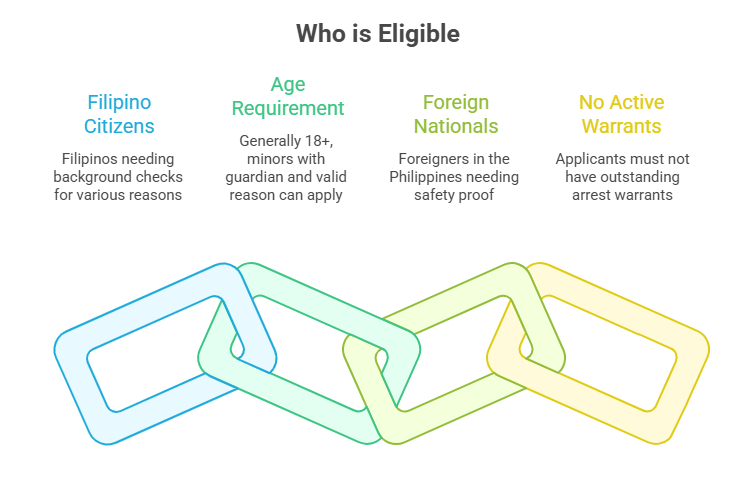
Who Can Apply for a National Police Clearance?
Most people living in the Philippines are eligible to apply for a National Police Clearance, provided they meet the basic requirements. It is available to both Filipino citizens and foreign nationals who need an official background clearance for legal, employment, or personal purposes.
Filipino Citizens
Any Filipino citizen can apply for a National Police Clearance if it is required for employment, government transactions, business applications, obtaining valid IDs, or other official purposes.
Age Requirement
Applicants are generally expected to be at least 18 years old. However, minors may also apply if they have a valid reason, such as school, travel, or legal requirements, and are accompanied by a parent or legal guardian when necessary.
Foreign Nationals
Foreign nationals who are legally residing in the Philippines can also apply for a National Police Clearance. This document may be required for work permits, visa applications, business transactions, or other official processes within the country.
Criminal Record Status
To receive a “No Record” or clear National Police Clearance, an applicant should not have any active criminal cases, outstanding warrants of arrest, or derogatory records found in the Philippine National Police’s nationwide database. If a record is found, additional verification may be required before the clearance can be issued.
When Do You Need Police Clearance?
A National Police Clearance is required whenever an employer, government agency, or other organization asks for proof that you do not have a criminal or derogatory record. It serves as an official background verification document and is commonly requested for a wide range of personal, professional, and legal purposes.
One of the most common reasons for obtaining a police clearance is employment. Many private companies require it during the hiring process, particularly for security-related positions, contractual jobs, and roles that involve handling sensitive information or valuable assets.
A National Police Clearance is also frequently needed for government transactions, including applications for civil service examinations, professional licenses, business permits, and various local government services. Some agencies may request it as part of their background verification process.
In addition, the document may be required for banking and financial transactions, such as loan applications, credit card requests, or opening certain types of accounts. It is also commonly used when applying for scholarships, firearm licenses, adoption or guardianship proceedings, and admission to training institutions or academies, including the Philippine National Police Academy (PNPA).
Although a National Police Clearance is accepted for many local and private transactions, some government agencies, employers, or international organizations may specifically require an NBI Clearance instead. Before submitting your application, always check the exact document requirements of the organization or agency to avoid delays.
Common Uses of a National Police Clearance
A National Police Clearance is required for many official, professional, and personal transactions in the Philippines. It serves as proof that an individual has no criminal or derogatory record in the Philippine National Police’s nationwide database.
Some of the most common uses include:
- Employment applications, especially for private companies, contractual positions, and security-related jobs.
- Civil Service examinations and other government recruitment processes.
- Business permit applications, where some local government units require background verification.
- Banking and financial transactions, including certain loan, credit card, and account applications.
- Government transactions, such as applications for licenses, permits, and other public services.
- Firearm license applications, when required by the appropriate authorities.
- Scholarship applications, particularly for programs that require background screening.
- Adoption and guardianship proceedings, where a police background check may be requested.
- Admission to training institutions, including the Philippine National Police Academy (PNPA) and other law enforcement-related programs.
When Is a National Police Clearance Not Accepted?
Although a National Police Clearance is widely accepted, it is not suitable for every application. In some cases, you may need to submit a different type of background clearance instead.
For example:
- Some employers, government agencies, or organizations specifically require an NBI Clearance rather than a Police Clearance.
- Certain national and international applications may not accept a Police Clearance as the primary proof of a clean record.
- Visa, immigration, and other specialized applications often have their own clearance requirements.
To avoid delays, always review the official requirements of the agency or organization before submitting your documents.
Is a National Police Clearance Required for PNPA Admission in 2026?
The Philippine National Police Academy (PNPA) is one of the country’s leading institutions for training future officers of the Philippine National Police (PNP), Bureau of Jail Management and Penology (BJMP), and Bureau of Fire Protection (BFP). Cadets who successfully complete the program earn a Bachelor of Science in Public Safety (BSPS) degree and are commissioned as Police Lieutenants.
As part of the admission process, applicants must demonstrate good moral character and have no criminal or derogatory records. Because of this, a National Police Clearance is commonly required as supporting evidence during the application or screening process. Applicants should always verify the latest requirements published by the PNPA for the current admission cycle.
Basic Eligibility Requirements for PNPA Applicants (2026)
To qualify for the PNPA Cadetship Program, applicants generally must meet the following requirements:
- Be a natural-born Filipino citizen.
- Be 18 to 22 years old on the prescribed admission date.
- Be a Senior High School graduate or expected to graduate before admission.
- Meet the minimum height requirement of 157.48 cm (5’2″) for males and 152.40 cm (5’0″) for females.
- Have a normal Body Mass Index (BMI) and be physically and mentally fit for cadet training.
- Have no criminal, administrative, or derogatory records.
Common Application Requirements
Applicants are typically required to prepare the following documents:
- PSA-issued Birth Certificate.
- Recent passport-size photograph with a white background.
- Completed BMI or medical form certified by a licensed physician.
- Other documents that may be required by the PNPA during the application period.
How to Apply
Applications for the PNPA Cadet Admission Test (PNPACAT) are generally submitted online through the official PNPA application portal. The academy announces the application schedule, examination dates, and updated admission requirements on its official website and social media pages. Applicants should regularly check these official sources to ensure they meet all deadlines and submit the correct documents.ar, so keep monitoring their official Facebook page for the exact 2026 entrance exam dates.
Is a Barangay Clearance Required for a National Police Clearance?
In most cases, a Barangay Clearance is not required when applying for a National Police Clearance (NPC) through the Philippine National Police’s National Police Clearance System (NPCS). Applicants typically only need to present the required valid identification documents, complete the online registration, and attend their scheduled appointment at the selected police station.
However, requirements may vary depending on the police station or the purpose of your application. Some stations may ask for additional documents if they need to verify your identity or address.
Red more: Barangay Clearance Online
For a Local Police Clearance, the requirements are often different. Many local police stations require applicants to obtain a Barangay Clearance before issuing a local police clearance. This document serves as proof that you are a resident of the barangay and that you have no known issues or complaints within your community.
To avoid delays, it is always a good idea to check the latest requirements with your local police station or the official Philippine National Police (PNP) website before applying.
12 Key Features of National Police Clearance
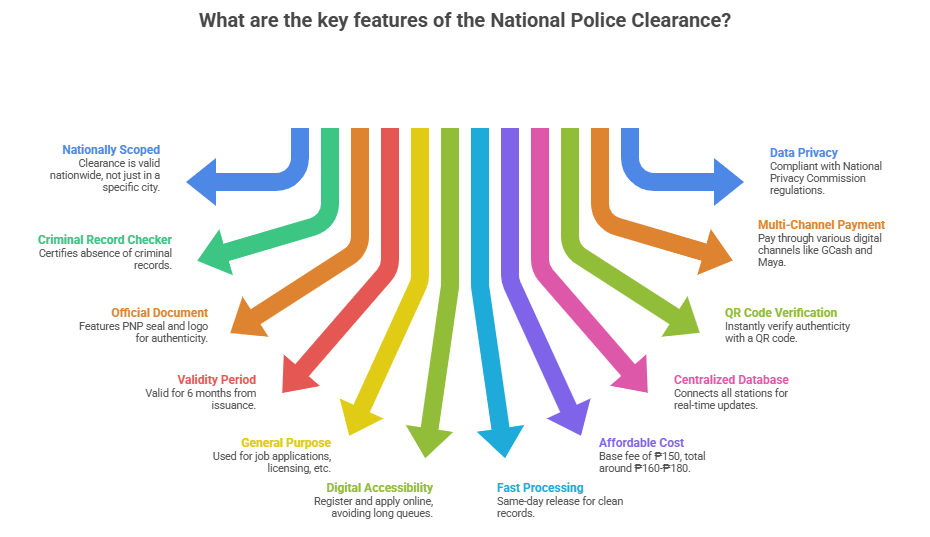
The National Police Clearance (NPC) offers several benefits that make it a reliable and convenient document for background verification in the Philippines. Below are its key features:
1. Nationwide Validity
Unlike the old local police clearance, which was only valid within the city or municipality where it was issued, the National Police Clearance is based on the Philippine National Police’s nationwide database. This allows your records to be verified across the country, making the clearance acceptable for many transactions nationwide.
2. Nationwide Criminal Record Check
The clearance verifies whether you have any criminal records, pending cases, warrants of arrest, or derogatory information in the Philippine National Police’s centralized database. It serves as an official background check for employment and other legal or government purposes.
3. Official PNP-Issued Document
The National Police Clearance is an official document issued by the Philippine National Police (PNP) through the National Police Clearance System (NPCS). It includes official security features, such as the PNP logo and other verification elements, making it a trusted document for employers, government agencies, and private institutions.
4. Validity Period
A National Police Clearance is generally valid for six (6) months from the date it is issued. After it expires, applicants must submit a new application and obtain a new clearance if it is required for another transaction.
5. Accepted for Multiple Purposes
The document is widely used for a variety of official purposes, including:
- Employment applications
- Government transactions
- Civil Service examinations
- Business permit applications
- Firearm license applications
- Banking and financial transactions
- Scholarship applications
- Adoption and guardianship proceedings
6. Convenient Online Application
The National Police Clearance System allows applicants to complete much of the process online. You can register, fill out your application, choose your preferred police station, schedule an appointment, and pay the required fees before visiting the station for biometric capture.
7. Fast Processing
For applicants with no matching criminal record (No HIT), the process is usually quick. After your fingerprints, photograph, and other biometric information are captured at the police station, the clearance is often released on the same day, depending on the station’s workload.
8. Affordable Application Fee
The standard application fee for a National Police Clearance is ₱150. Depending on your selected payment method, a small convenience fee may apply, bringing the total amount to approximately ₱160–₱180.
9. Centralized Database System
The National Police Clearance System connects participating police stations to a centralized nationwide database. This helps improve the accuracy of background checks and allows records to be verified more efficiently across different locations.
10. QR Code Verification
Each National Police Clearance contains a unique QR code that allows employers, government agencies, and other authorized organizations to verify the authenticity of the document and help detect fraudulent or altered clearances.
11. Multiple Payment Options
Applicants can conveniently pay the application fee using several payment channels, including:
- Maya
- GCash
- 7-Eleven CLiQQ
- Credit cards
- Debit cards
- Other authorized payment partners available through the NPCS
12. Data Privacy and Security
The National Police Clearance System follows the requirements of the Data Privacy Act of 2012 and applicable regulations of the National Privacy Commission (NPC). Personal information and biometric data collected during the application process are protected through appropriate security measures to help safeguard applicants’ privacy.
Read: Book PNP Police Clearance Appointment Online Philippines
National Police Clearance vs. Local Police Clearance
Many applicants wonder whether they should get a National Police Clearance or a Local Police Clearance. The right choice depends on the requirements of the employer, government agency, or organization requesting the document.
National Police Clearance (NPC)
A National Police Clearance is issued through the National Police Clearance System (NPCS) of the Philippine National Police (PNP). It checks an applicant’s records against the PNP’s nationwide database, making it more comprehensive than a local police clearance.
It is commonly required for:
- Employment applications
- Government transactions
- Business and professional licensing
- Banking and financial transactions
- Other official purposes that require nationwide background verification
Because it uses a centralized database, the National Police Clearance is widely accepted by employers, government agencies, and private institutions throughout the Philippines.
Local Police Clearance (LPC)
A Local Police Clearance is issued by the police station in the city or municipality where you reside. The background check is generally limited to records maintained within that local jurisdiction.
In many areas, applicants are required to visit the police station in person and submit the necessary documents, which may include:
- Valid government-issued ID
- Barangay Clearance (if required)
- Community Tax Certificate (Cedula), where applicable
- Other documents requested by the local police station
A Local Police Clearance is commonly used for transactions that only require local background verification.
Is a Barangay Clearance Required?
Whether you need a Barangay Clearance depends on the type of police clearance you are applying for.
- National Police Clearance: A Barangay Clearance is generally not required when applying through the National Police Clearance System (NPCS), although some police stations may request additional documents for verification.
- Local Police Clearance: A Barangay Clearance is commonly required, as it helps confirm your residency and good standing within your barangay.
Since requirements can vary by location, it is always best to check with your local police station before applying.
Police Clearance vs. NBI Clearance
Although both documents are used for background verification, a Police Clearance and an NBI Clearance serve different purposes and are issued by different government agencies.
| Feature | National Police Clearance | NBI Clearance |
|---|---|---|
| Issuing Agency | Philippine National Police (PNP) | National Bureau of Investigation (NBI) |
| Database | PNP nationwide database | NBI database with broader criminal record checks |
| Common Uses | Employment, business permits, banking, local government transactions | Visa applications, immigration, overseas employment, licensing, and many national government requirements |
| Coverage | Nationwide PNP records | Broader background verification based on NBI records |
Which One Should You Get?
The best choice depends on the document required by the organization you are dealing with.
- A National Police Clearance is sufficient for many private-sector jobs, banking transactions, business applications, and local government requirements.
- An NBI Clearance is often required for immigration, visa applications, overseas employment, professional licensing, and certain national government positions.
If the requirements are unclear, contact the employer or government agency before applying. This will help ensure you obtain the correct clearance and avoid unnecessary delays or additional expenses.
“Do you accept pnp police clearance online appointment, or do you require NBI Clearance?”
National Bureau of Investigation (NBI) Clearance: When Do You Need It Instead of a Police Clearance?
An NBI Clearance is an official background verification document issued by the National Bureau of Investigation (NBI). While both the National Police Clearance and NBI Clearance are used to verify a person’s criminal record, the NBI Clearance is often required for transactions that involve more extensive background checks.
You will typically need an NBI Clearance for:
- International travel and visa applications
- Immigration and residency processing
- Overseas employment
- Certain national government positions
- Professional licensing and other transactions that require stricter background screening
What Is the Difference Between a Police Clearance and an NBI Clearance?
The main difference lies in the scope of the background check.
A National Police Clearance verifies records using the Philippine National Police (PNP) database. It is commonly accepted for local employment, business permits, banking transactions, and many government services.
An NBI Clearance, on the other hand, involves a broader background verification conducted by the National Bureau of Investigation. It is designed for applications that require more comprehensive security screening and is often requested for national and international purposes.
How to Apply for an NBI Clearance
The application process for an NBI Clearance is different from that of a Police Clearance. Applicants must first register through the NBI Clearance Online portal, complete the online application, schedule an appointment, pay the required fee, and then visit their selected NBI Clearance Center to have their photograph, fingerprints, and other biometric information captured.
Which Clearance Should You Get?
If you are applying for a local job, business permit, bank transaction, or other routine government service, a National Police Clearance is often sufficient.
However, if you are applying for overseas employment, immigration, a visa, or a position that requires a more comprehensive background check, an NBI Clearance is usually the better choice—or may be specifically required.
Before applying, always review the requirements of the employer, government agency, embassy, or organization to ensure you obtain the correct clearance document.
Also Read: MTC Clearance
Police Clearance Certificate Requirements 2026
Before you apply, prepare your documents. This avoids delays in the delivery of your policeclearance.
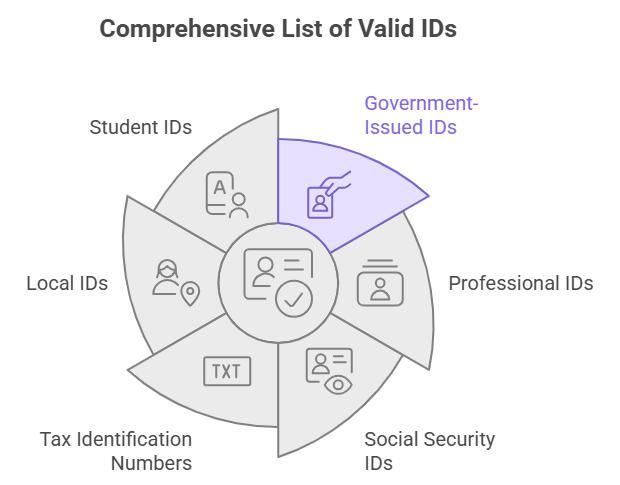
Required Documents for a National Police Clearance
Before going to your scheduled National Police Clearance appointment, make sure you have all the required documents. Bringing the correct requirements will help avoid delays and ensure your application is processed smoothly.
Basic Requirements
On the day of your appointment, bring the following:
- Two (2) valid government-issued IDs (original copies)
- Your NPCS reference number (printed or saved on your mobile device)
- Proof of payment or official receipt, if applicable
It is also recommended to arrive a few minutes before your scheduled appointment and ensure that the information on your IDs matches the details you entered during registration.
Accepted Valid IDs
The Philippine National Police accepts various government-issued identification cards for National Police Clearance applications. Commonly accepted IDs include:
- Philippine National ID (PhilID)
- Digital National ID (PhilSys)
- Philippine Passport
- Driver’s License
- Unified Multi-Purpose ID (UMID)
- GSIS UMID Card
- PhilHealth ID
- Taxpayer Identification Number (TIN) ID
- Professional Regulation Commission (PRC) ID
- Postal ID
- Voter’s ID (where accepted)
- Senior Citizen ID
- Persons with Disability (PWD) ID
- Pag-IBIG Loyalty Card
- School ID (when accepted and supported by additional documents)
- Other valid government-issued identification cards accepted by the PNP
Tip: Bring IDs that clearly display your full name, photograph, signature, and date of birth whenever possible.
PhilSys National ID
The Philippine Identification System (PhilSys) is the country’s official national identification system for Filipino citizens and resident aliens. The National ID is widely accepted for identity verification, including National Police Clearance applications.
If you already have a National ID, you can use any of the officially recognized formats accepted by government agencies.
Primary Supporting Documents
If you are registering for PhilSys or need to verify your identity, common primary documents include:
- PSA-issued Birth Certificate with a valid government-issued photo ID
- Philippine Passport
- UMID Card
- Driver’s License
Secondary Supporting Documents
If primary documents are unavailable, applicants may be allowed to present a combination of secondary IDs, such as:
- Senior Citizen ID
- PWD ID
- Voter’s ID (where accepted)
- TIN ID
- PhilHealth ID
- Other government-issued identification documents accepted by PhilSys
National ID Formats Accepted
The Philippine National ID is available in several official formats:
Physical PhilID
The Physical PhilID is the plastic National ID card issued through the Philippine Identification System. It serves as the primary proof of identity for both government and private transactions.
ePhilID
The ePhilID is the official paper version of the National ID. It contains the same personal information as the physical card and is generally accepted for identity verification while waiting for the physical PhilID.
Digital National ID
The Digital National ID is the electronic version of the PhilID that can be accessed through the official eGovPH application or the PhilSys portal. It is accepted by many government agencies and financial institutions, including for National Police Clearance applications, subject to current government policies.
Important Update: MySSS Card Replaces the UMID Card (2026)
Beginning in 2026, the Social Security System (SSS) has transitioned from issuing the traditional Unified Multi-Purpose Identification (UMID) Card to the new MySSS Card for eligible members.
Existing UMID cards remain valid as government-issued identification. However, new applicants and members requesting a replacement card will generally receive the MySSS Card instead.
The MySSS Card is designed to serve as both an official SSS identification card and a financial card for receiving eligible SSS benefits and other transactions through partner banks.
Key Features of the MySSS Card
- Dual-purpose functionality: It serves as a valid SSS identification card and can also be used to receive SSS benefits, pensions, and loan proceeds through participating banks.
- Improved application process: Member information is verified through the SSS system, helping streamline card issuance for eligible applicants.
- Online application: Applications are submitted through the official My.SSS Member Portal, where applicants may be asked to select a participating bank during the application process.
- Government transactions: The MySSS Card can be used as a valid government-issued ID for many public and private transactions, including National Police Clearance applications, subject to the latest PNP identification requirements.
What If You Have Only One Valid ID?
The Philippine National Police generally requires applicants to present the required valid identification documents when applying for a National Police Clearance.
If you currently have only one valid government-issued ID, you may still be able to proceed if the police station accepts additional supporting documents for identity verification. For example, you may be asked to present:
- One (1) valid government-issued ID
- PSA-issued Birth Certificate
- Appointment reference number
- Proof of payment or official receipt
Because identification requirements may vary by police station, it is advisable to verify the latest requirements before your scheduled appointment.
Special Cases
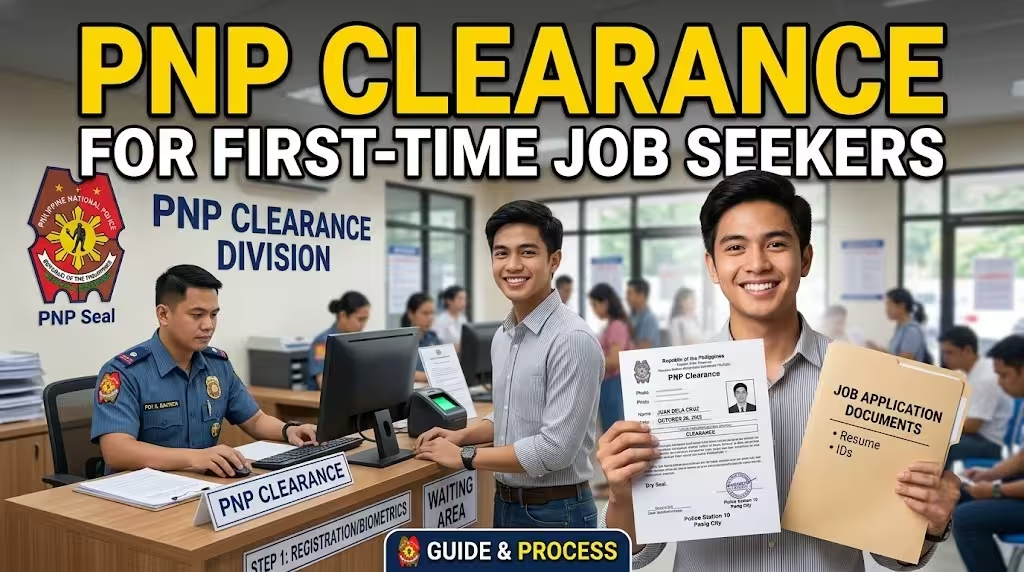
First-Time Job Seekers (RA 11261)
Under the First-Time Jobseekers Assistance Act (Republic Act No. 11261), qualified first-time job seekers may be eligible for a one-time exemption from certain government fees, subject to the implementing rules of the agency.
To qualify, applicants are typically required to present a Barangay Certification confirming their status as a first-time job seeker, along with any other documents required by the Philippine National Police.
Persons with Disabilities (PWDs)
Applicants who are Persons with Disabilities (PWDs) should ensure that their information is correctly entered during registration, if the system provides a PWD option.
On the day of the appointment, bring your valid PWD ID, along with all other required documents.
Tip: If you qualify under a special category, review the latest guidelines issued by the Philippine National Police before submitting your application. This helps ensure you bring the correct documents and understand any fee exemptions or special procedures that may apply.
National Police Clearance Fees and Payment Options
Before your National Police Clearance appointment, you must pay the required application fee through one of the authorized payment channels. The total amount you pay may vary slightly depending on your selected payment method because some payment providers charge a convenience fee.
How Much Is the National Police Clearance Fee in 2026?
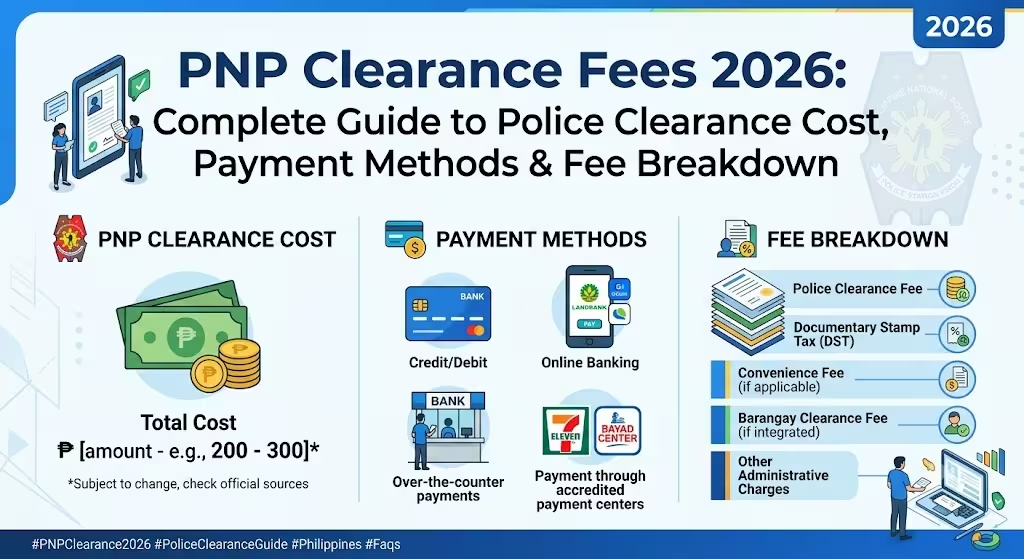
The standard fees are generally as follows:
- Application fee: ₱150
- Convenience fee: Approximately ₱10–₱30 (varies by payment channel)
- Estimated total amount: ₱160–₱180
Always check the amount displayed in the National Police Clearance System (NPCS) before making your payment, as fees may change without prior notice.
Accepted Payment Methods
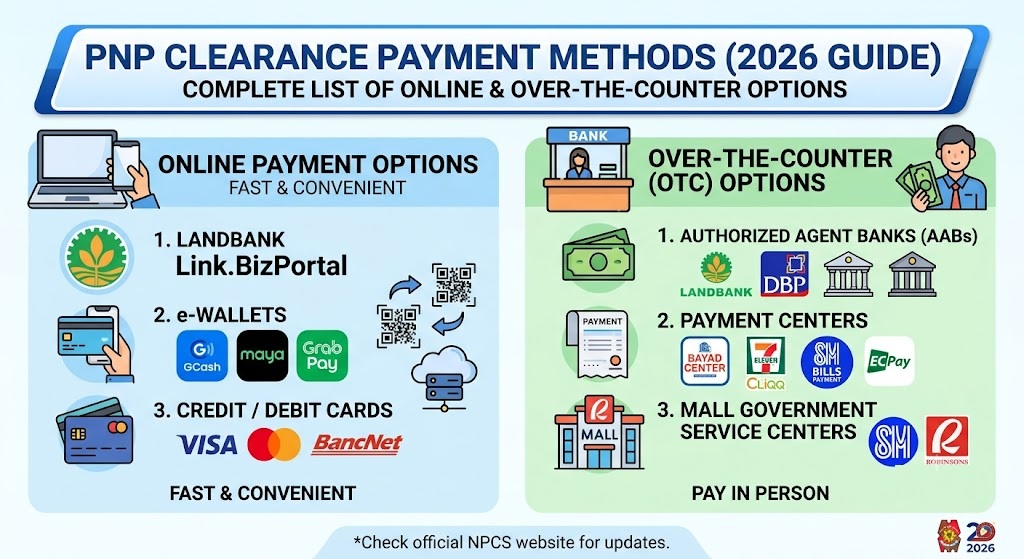
Payments are typically processed through the Land Bank of the Philippines (LANDBANK) ePayment Portal and its authorized payment partners. Depending on the options available during your application, you may pay using:
- LANDBANK account or ATM
- GCash
- Maya
- BancNet partner banks
- 7-Eleven CLiQQ
- Bayad Center
- Credit cards
- Debit cards
- Other payment channels supported by the NPCS
The available payment options may vary depending on your location and the services currently supported by the online payment portal.
Important Payment Tips
To help ensure a smooth application process, keep the following tips in mind:
- Pay your application fee before your scheduled appointment.
- If possible, complete your payment at least two banking days in advance to allow sufficient time for the transaction to be processed.
- Keep a copy of your payment confirmation or official receipt, as you may need to present it during your appointment.
- If your payment is not reflected in your NPCS account before your appointment date, contact the payment provider or the Philippine National Police for assistance before visiting the police station.
Paying on time and bringing proof of payment can help prevent delays in processing your National Police Clearance application.
How to Apply for National Police Clearance Online Registration
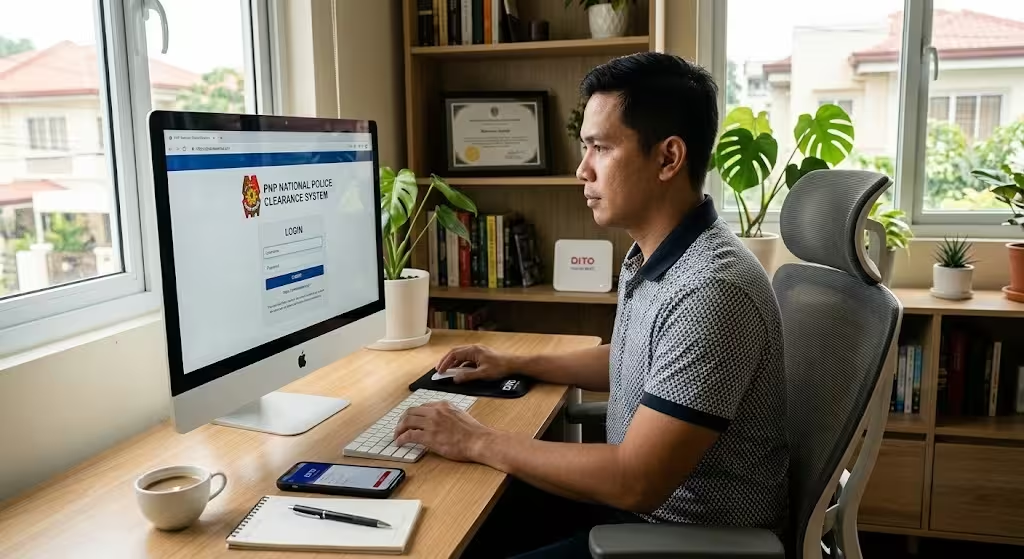
The first step in applying for a National Police Clearance is to create an account on the National Police Clearance System (NPCS).
Before you begin the registration process, carefully read the Terms and Conditions provided on the website. You must agree to these terms before you can create your applicant profile and continue with your application.
Step1 Terms Conditions
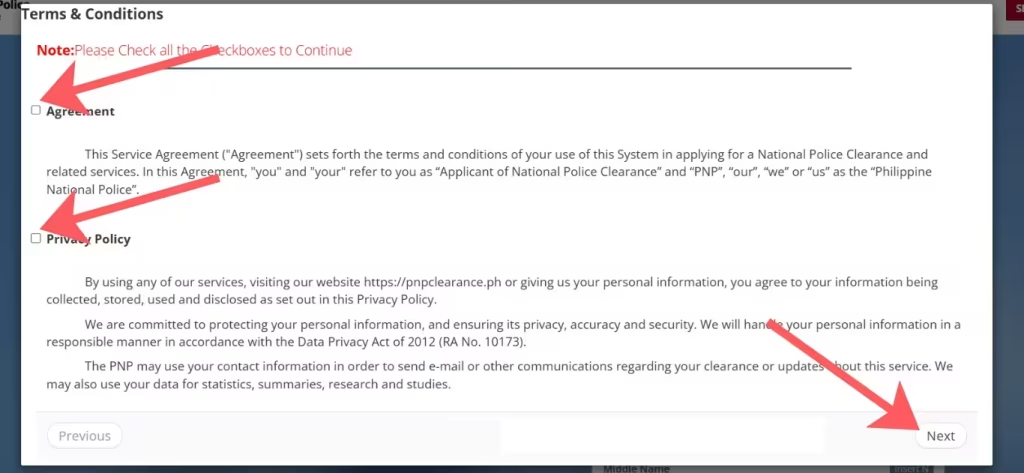
Step2 Agreement Privacy
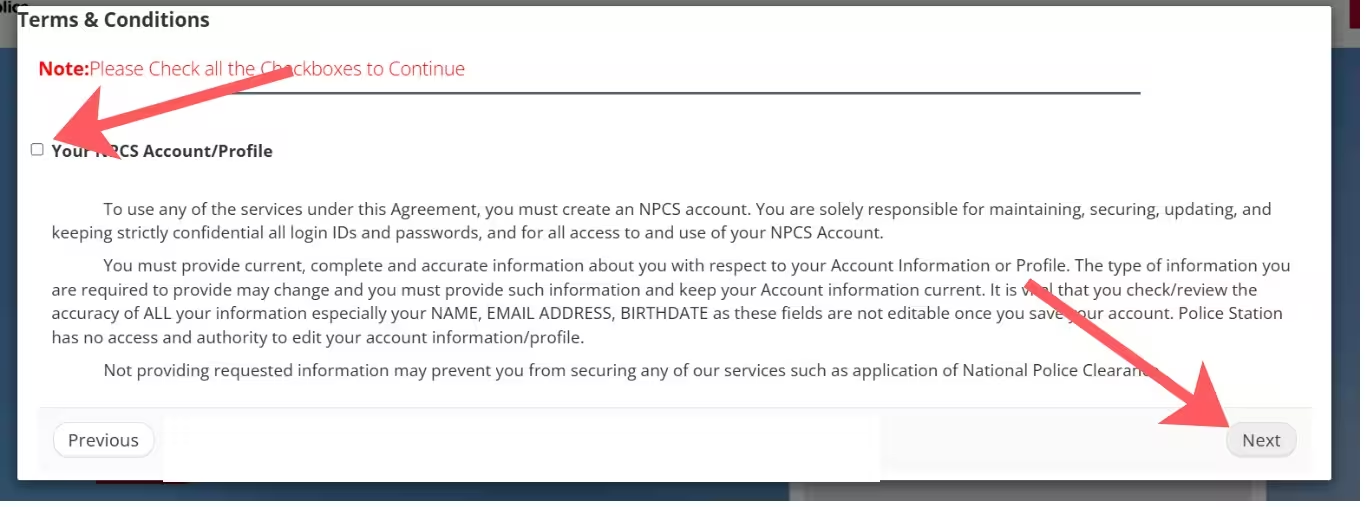
Step3 Profile Accuracy
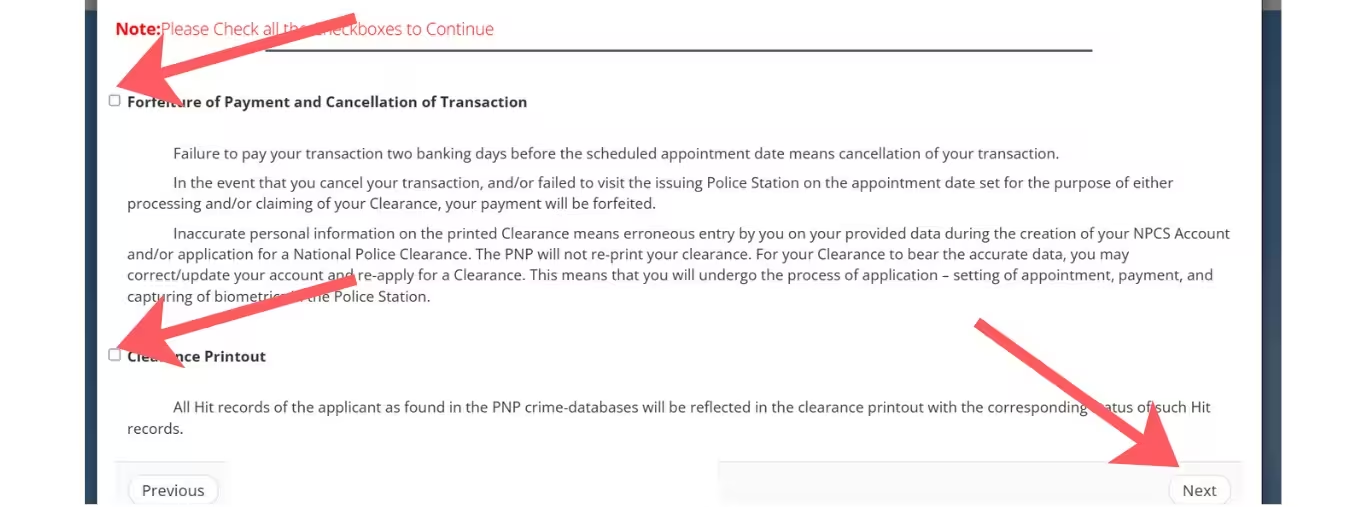
Step4 Validate
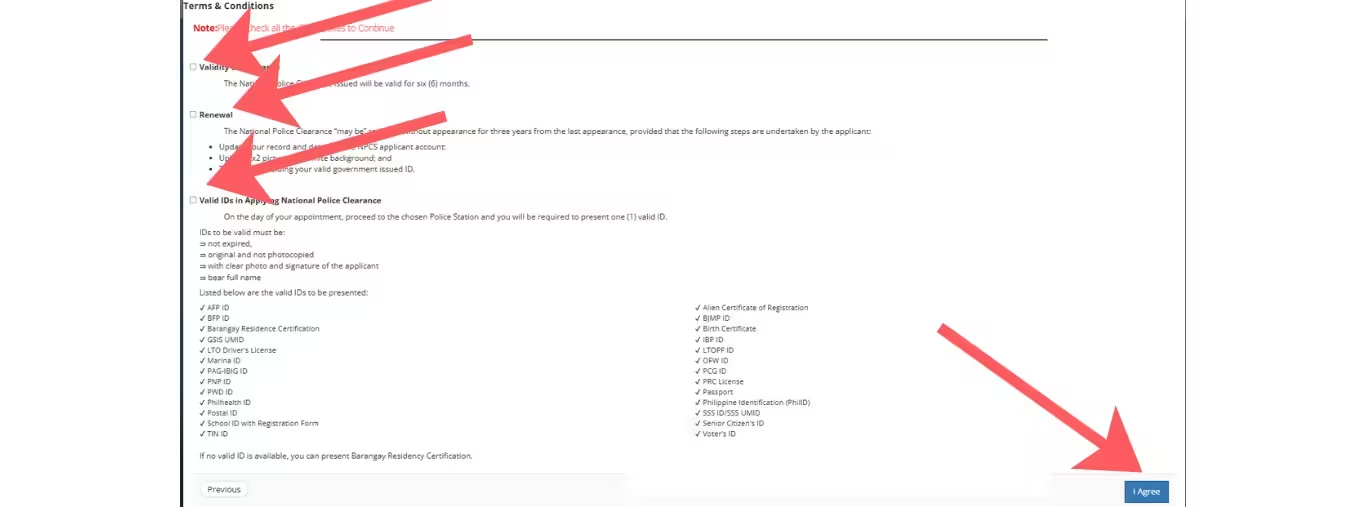
Step5 Final Step
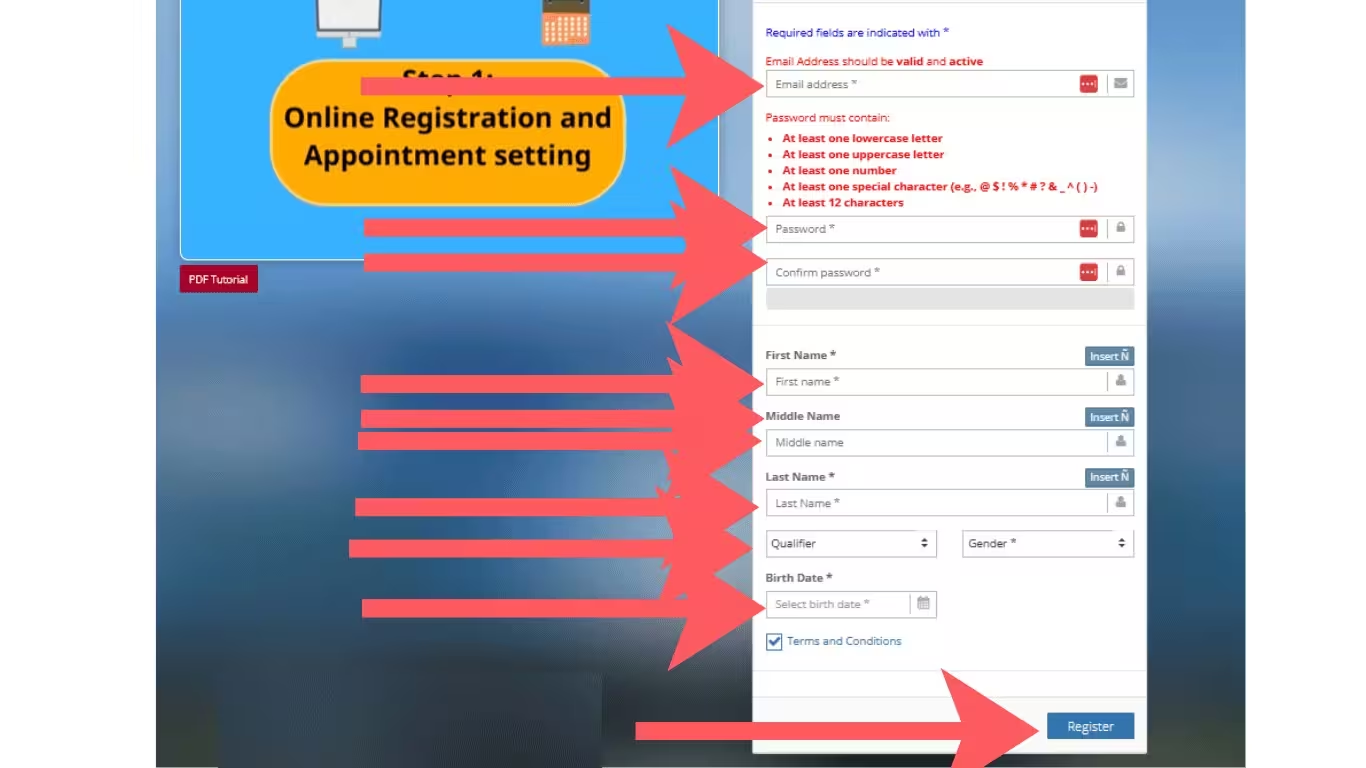
This is the main part most people search for: Police clearance online registration appointment 2026 + sign in with nbi online appointment.
How to Apply for a National Police Clearance Online (2026)
Applying for a National Police Clearance is a simple process through the National Police Clearance System (NPCS). Follow the steps below to complete your application successfully.
Step 1: Register an NPCS Account
Visit the official National Police Clearance System (NPCS) website and click the Register button.
During registration, provide the following information:
- Full name (exactly as it appears on your valid ID)
- Date of birth
- Active email address
- Mobile number
- Password
After submitting your details, check your email and click the verification link to activate your account.
Tip: If you don’t receive the verification email within a few minutes, check your Spam or Junk folder.
Step 2: Complete Your Applicant Profile
After logging in, complete your profile by providing accurate personal information, including:
- Nationality
- Place of birth
- Civil status
- Current residential address
- Height and weight
- Other required personal information
- Family details, if requested
- A recent passport-size or 2×2 photo (if required by the system)
Important: Make sure your name, date of birth, and address exactly match the information on your valid IDs. Incorrect information may delay the processing of your application.
Step 3: Schedule Your Appointment
Once your profile is complete:
- Select Application for Clearance from your dashboard.
- Choose the purpose of your application (for example, General).
- Select your preferred police station.
- Choose an available appointment date and time.
Appointments are available on a first-come, first-served basis. If your preferred police station has no available slots, consider selecting another nearby station.
Step 4: Pay the Application Fee
After booking your appointment, proceed to the payment page and pay the required fee using one of the available payment methods.
After completing your payment, keep a copy of the following:
- Payment reference number
- Official receipt or payment confirmation
- NPCS reference number
You may be asked to present these during your appointment.
Step 5: Visit the Police Station for Biometrics
On your scheduled appointment date:
- Arrive at the police station on time.
- Present your valid IDs and appointment details.
- Submit your documents for verification.
- Complete the biometric capture process, which includes:
- Fingerprint scanning
- Photograph
- Digital signature
- Identity verification
The biometric process itself usually takes 10 to 15 minutes, although your total waiting time may vary depending on the number of applicants at the police station.
Step 6: Receive Your National Police Clearance
After your biometrics have been completed, your application will be processed.
If You Have No HIT
If your name does not match any criminal or derogatory record in the PNP database (No HIT), your National Police Clearance is often released on the same day, depending on the workload of the police station.
If You Have a HIT
A HIT means that your name matches or closely resembles a name found in the Philippine National Police database. This does not automatically mean that you have a criminal record.
When a HIT occurs, the PNP will conduct additional verification to confirm your identity. This process generally takes 10 to 15 working days, although processing times may vary depending on the complexity of the verification.
Once the verification is completed and no issues are found, your National Police Clearance will be released.
How to Sign In to the National Police Clearance Online System
Follow these steps carefully to ensure a “No Hit” (clean) and fast result:
Step 1: Login and Profile Completion
- Click on the button provided above to access the registration and login page.
- Enter the email and password you just created.
- Click “Edit Profile”. You must fill in everything: Address, Height/Weight, Birthplace, and Family Background.Pro-Tip: Make sure the name matches your valid IDs exactly to avoid rejection at the station.
Step 2: Schedule an Appointment
- Click the “Clearance Application” button.
- Select your preferred Police Station (usually the one nearest to you).
- Pick an available Date and Time (AM or PM).
Step 3: Online Payment
- Click “Landbank” (even if you want to use GCash or Maya, you usually pass through the Landbank portal).
- Choose your payment method: GCash, Maya, 7-Eleven, or Credit/Debit Card.
- Base Fee: ₱150 + transaction fees (Total is usually around ₱160-₱180).
- Save the Reference Number. Take a screenshot or print the payment slip.
Step 4: Appearance and Biometrics
- Go to your chosen station on your appointment date.
- Bring Two (2) Valid IDs and your Reference Number.
- The officer will take your Photo, Fingerprints, and Digital Signature.
Photo and Fingerprint Capture – What to Expect
What Happens During Capture
At the station, the tracking process is usually followed to streamline the process of issuance of police clearance:
- Document check (IDs + receipt + reference number)
- Fingerprint scanning
- Photo taken
- Digital signature
- Confirmation
What to Bring (Quick Checklist)
- 2 valid IDs (original)
- Appointment/reference number
- Payment receipt/proof
- Any special documents (first-time job seeker barangay certificate online, PWD ID, etc.)
Release Time Summary (No HIT vs HIT)
No HIT (Clean Record)
- Often same-day release
- Usually within minutes after printing (station dependent)
With HIT (Verification Needed): How Many Days to Get
- Verification process
- Often days or weekend depending on station and case similarity
- Follow the instructions of the Verification Officer
How to Apply for a Local Police Clearance (Walk-In)
If your local police station is not yet part of the National Police Clearance System (NPCS) or you only need a clearance for local purposes, you can apply directly at your local police station through a walk-in application.
Walk-In Application Steps
Follow these simple steps to apply for a Local Police Clearance:
- Visit your local police station during office hours.
- Request a Local Police Clearance Application Form.
- Fill out the form completely and accurately.
- Submit the required documents for verification.
- Pay the applicable processing fee.
- Complete the biometric process, including fingerprinting and a photograph, if required.
- Wait for your Local Police Clearance to be processed and released.
Requirements for a Local Police Clearance
Requirements may vary depending on your local government unit (LGU), but applicants are commonly asked to provide:
- Two (2) valid government-issued IDs
- Barangay Clearance
- Community Tax Certificate (Cedula), where required
- Endorsement or referral letter, if requested by the local police station
- Recent ID photos (if required)
Always check with your local police station for the most up-to-date list of requirements before visiting.
Processing Time
The processing time depends on whether your application has a No HIT or a HIT status.
Applicants with No HIT
If your name does not match any criminal or derogatory record in the police database, your application is usually processed quickly.
- Biometric capture: Approximately 10–15 minutes
- Printing and release: Usually 15–30 minutes after biometrics
- Estimated total processing time: Less than one hour in most cases
Applicants with a HIT
A HIT occurs when your name matches or closely resembles the name of another individual in the police database. A HIT does not automatically mean that you have a criminal record.
If your application receives a HIT:
- Your identity will undergo additional verification.
- The verification process typically takes 5 to 10 working days, although processing times may vary.
- Once the verification is completed, you will be notified when your clearance is ready for release.
Estimated Processing Time by Location
Actual processing times may vary depending on the number of applicants at each police station.
| Location | Typical Processing Time |
|---|---|
| Metro Manila and major cities | Usually released on the same day, although waiting times may be longer during peak hours |
| Provincial cities | Often released on the same day, typically within 1–2 hours |
| Rural municipalities | Usually released on the same day, often with shorter waiting times due to fewer applicants |
Limitations of a Local Police Clearance
A Local Police Clearance generally verifies records only within the city or municipality where it is issued. Because of its limited coverage, some employers and government agencies may not accept it for nationwide transactions.
If you need a document for employment, government services, or other transactions requiring a nationwide background check, a National Police Clearance is usually the better option.
Tips for Faster Processing
To make your application as smooth as possible:
- Prepare your documents in advance and make sure they are complete.
- Arrive early for your appointment or walk-in application to avoid long queues.
- Double-check your personal information, especially your name and date of birth, before submitting your application.
- Keep your payment receipt and valid IDs with you throughout the application process.
- Follow the instructions of the police personnel to help speed up processing.
Being well prepared can help you receive your Local Police Clearance more quickly and avoid unnecessary delays.
How to Verify Your National Police Clearance
After receiving your National Police Clearance, you may want to verify that it is genuine. Employers, government agencies, and other organizations may also verify the document as part of their background screening process.
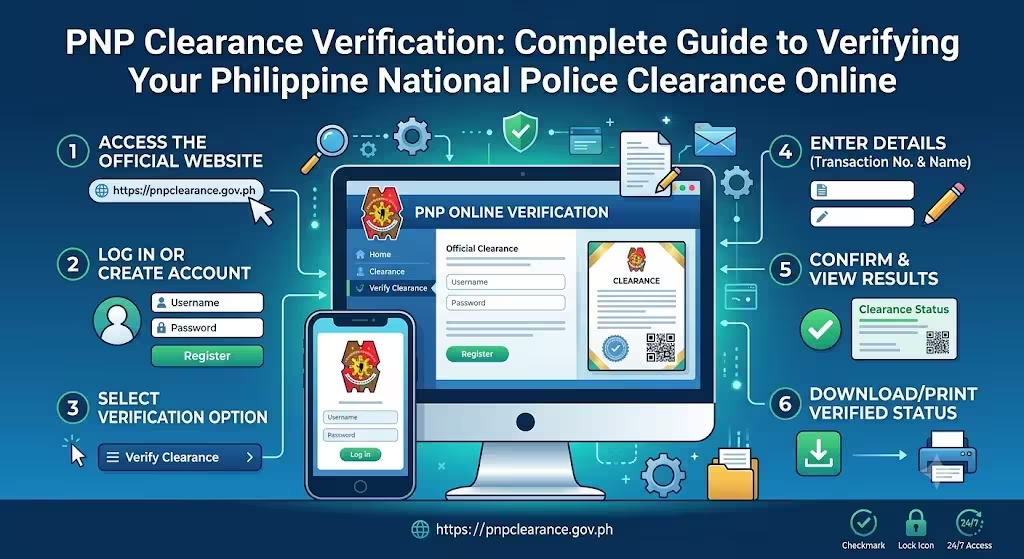
How to Verify Your Police Clearance Online
If online verification is available through the National Police Clearance System (NPCS), follow these steps:
- Visit the official National Police Clearance verification page.
- Click “Verify Your Clearance.”
- Enter the required information, such as your surname and clearance number.
- Complete the CAPTCHA verification.
- Click “Verify” to view the verification result.
If the information matches the records in the system, your clearance should be confirmed as valid.
QR Code Verification
Many National Police Clearances include a QR code as an additional security feature.
Authorized employers and government agencies can scan the QR code to help verify the authenticity of the document. If your clearance contains a QR code, avoid altering or damaging it, as this may affect the verification process.
Protect Your Personal Information
Your National Police Clearance contains sensitive personal information.
For your privacy and security:
- Do not post photos of your clearance on social media.
- Avoid sharing your clearance number or QR code with unauthorized persons.
- Keep both printed and digital copies in a safe place.
Protecting your personal information helps reduce the risk of identity theft and unauthorized use of your documents.
Troubleshooting Common Issues
If you encounter problems during the application or verification process, the following solutions may help.
Missed Appointment
If you miss your scheduled appointment, log in to your NPCS account to check whether your appointment can still be honored or rescheduled.
If the appointment has already expired, you may need to submit a new application and pay the required fee again, depending on the current PNP policy.
Incorrect Information on Your Clearance
If you notice an error on your printed National Police Clearance, contact the issuing police station immediately.
In some cases, corrections may require a new application, so always review your personal information carefully before submitting your application and completing biometric capture.
Preferred Police Station Is Not Available
If your preferred police station is not listed or has no available appointments:
- Select another nearby participating police station.
- If appropriate for your purpose, consider applying for a Local Police Clearance at your local police station.
Payment Not Reflected
If your payment does not appear in your NPCS account:
- Wait 24 to 48 hours, especially for over-the-counter or e-wallet payments.
- Check your payment transaction history.
- Keep your payment receipt or confirmation.
- Contact the payment provider or the Philippine National Police if the payment is still not reflected after the expected processing period.
Verification Email Not Received
If you do not receive your account verification email:
- Check your Spam or Junk folder.
- Confirm that you entered the correct email address during registration.
- If necessary, register again using another active email address.
HIT Status
Receiving a HIT does not automatically mean that you have a criminal record.
A HIT simply indicates that your name matches or closely resembles another name in the database. The Philippine National Police will conduct additional verification to confirm your identity.
If requested, bring any additional identification or supporting documents to help complete the verification process.
NPCS Website Is Slow or Unavailable
If the National Police Clearance website is loading slowly or cannot be accessed:
- Try again during off-peak hours, such as early morning or late evening.
- Use a different web browser or device.
- Clear your browser’s cache and cookies.
- Check your internet connection.
- Refresh the page or try again later if the website is temporarily undergoing maintenance.
Also Read: Police Clearance Sample
Tips for Faster National Police Clearance Processing
Applying for a National Police Clearance is usually quick, especially if you prepare everything in advance. The following tips can help make your appointment smoother and reduce the chances of delays.
- Book your appointment early. Appointment slots at busy police stations, particularly in major cities, can fill up quickly. Scheduling your appointment in advance gives you more flexibility in choosing your preferred date and time.
- Choose a less crowded police station. If your preferred station has limited availability or is known to be busy, consider selecting a nearby participating station with more open appointment slots.
- Prepare all required documents before your appointment. Bring your valid government-issued IDs, appointment reference number, proof of payment, and any additional documents required by the Philippine National Police.
- Pay the application fee in advance. Completing your payment early allows enough time for the transaction to be processed and helps prevent delays caused by payments that have not yet been reflected in the system.
- Bring an extra valid ID. Carrying an additional government-issued ID can be helpful if the police station requests further identity verification.
- Wear appropriate clothing. Since your photograph will be taken during the biometric process, wear neat and presentable attire. Avoid wearing hats, sunglasses, or anything that may obstruct your face unless required for religious or medical reasons.
- Keep your reference numbers accessible. Save your appointment reference number, payment confirmation, and other important details on your phone or print a copy before visiting the police station.
Following these simple tips can help you complete your National Police Clearance application more efficiently and minimize unnecessary delays.
Also Read: Police Clearance Renewal
Security and Privacy Tips
When you apply for a National Police Clearance, you provide personal and biometric information, such as your name, address, fingerprints, and photograph. Protecting this information is important to prevent identity theft and unauthorized access.
Follow these safety tips:
- Use only the official National Police Clearance System (NPCS) website when registering or checking your application.
- Never share your account password or login credentials with anyone.
- Avoid dealing with fixers or unauthorized agents who promise faster processing.
- Keep your payment receipts, reference numbers, and appointment details confidential.
- Be cautious when sharing screenshots, as they may reveal sensitive personal information.
Taking these precautions can help keep your personal data secure throughout the application process.
Using a National Police Clearance for International Purposes
If you are applying for overseas employment, immigration, or a visa, check the document requirements carefully before submitting your application.
Apostille Authentication
Some countries require Philippine public documents to be authenticated through the Department of Foreign Affairs (DFA) Apostille process before they can be used abroad.
Whether your Police Clearance requires an Apostille depends on the country and the purpose of your application. Always verify the requirements with the embassy, consulate, employer, or organization requesting the document.
When an NBI Clearance Is Required
Although a National Police Clearance is accepted for many transactions within the Philippines, many embassies, immigration offices, and foreign employers specifically require an NBI Clearance for visa and overseas employment applications.
Before applying, confirm which clearance document is required to avoid unnecessary expenses and processing delays.
For Overseas Filipino Workers (OFWs)
If you are currently outside the Philippines:
- Check the requirements of the Philippine Embassy or Consulate in your country.
- Review the document requirements of your employer or immigration authority.
- Some transactions may allow an authorized representative in the Philippines to process documents on your behalf, subject to current government rules.
Contact and Support
If you need assistance with your National Police Clearance application, refer to the official support channels provided by the Philippine National Police.
Before contacting support, prepare the following information:
- Registered email address
- NPCS reference number
- Payment receipt or transaction reference
- Appointment details
Having these details ready will help support personnel assist you more efficiently.
Frequently Asked Questions (FAQs)
How long is a National Police Clearance valid?
A National Police Clearance is generally valid for six (6) months from its date of issuance.
Can I renew my National Police Clearance?
There is no direct renewal process. Once your clearance expires, you must submit a new application through the National Police Clearance System.
Can I apply without an appointment?
Many police stations process applications through the NPCS appointment system. However, some stations may accept walk-in applicants for Local Police Clearances. Check with your selected police station before visiting.
How much does a National Police Clearance cost?
The standard application fee is ₱150, although additional convenience fees may apply depending on your payment method.
How long does it take to receive my clearance?
Applicants with No HIT status often receive their clearance on the same day. If your application has a HIT, additional verification may take several working days.
Can I reschedule my appointment?
Appointment policies may vary. Log in to your NPCS account or contact your selected police station to check whether rescheduling is available.
What if I have only one valid ID?
Some police stations may accept additional supporting documents, such as a PSA Birth Certificate, but requirements vary. Always confirm with the issuing police station before your appointment.
Do I need both a Police Clearance and an NBI Clearance?
Not always. The required document depends on the organization requesting it. Many local transactions accept a National Police Clearance, while immigration, overseas employment, and some government agencies may specifically require an NBI Clearance.
Is a National Police Clearance a valid ID?
A National Police Clearance is primarily a background verification document. It should not be considered a general-purpose government-issued identification card unless the receiving organization specifically accepts it as proof of identity.
Recent Posts
- How to Get a PNP-HPG Clearance (Motor Vehicle Clearance Certificate)
- Fiscal Clearance 2026 (Prosecutor Clearance) in the Philippines
- RTC Clearance Online 2026 | RTC Clearance Requirements, Fees and Appointment
- MTC Clearance Online 2026 in Philippines
- NBI Clearance VS Police Clearance Philippines (2026)
Conclusion
The National Police Clearance System (NPCS) has made applying for a National Police Clearance more convenient and efficient than ever before. By registering online, preparing your documents in advance, paying the required fees on time, and attending your scheduled appointment, you can usually complete the process quickly and with minimal hassle.
Before applying, always check the latest guidelines and requirements issued by the Philippine National Police. Doing so will help ensure that your application is processed smoothly and that you receive the correct clearance for your intended purpose.

Transfer